Bradycardia
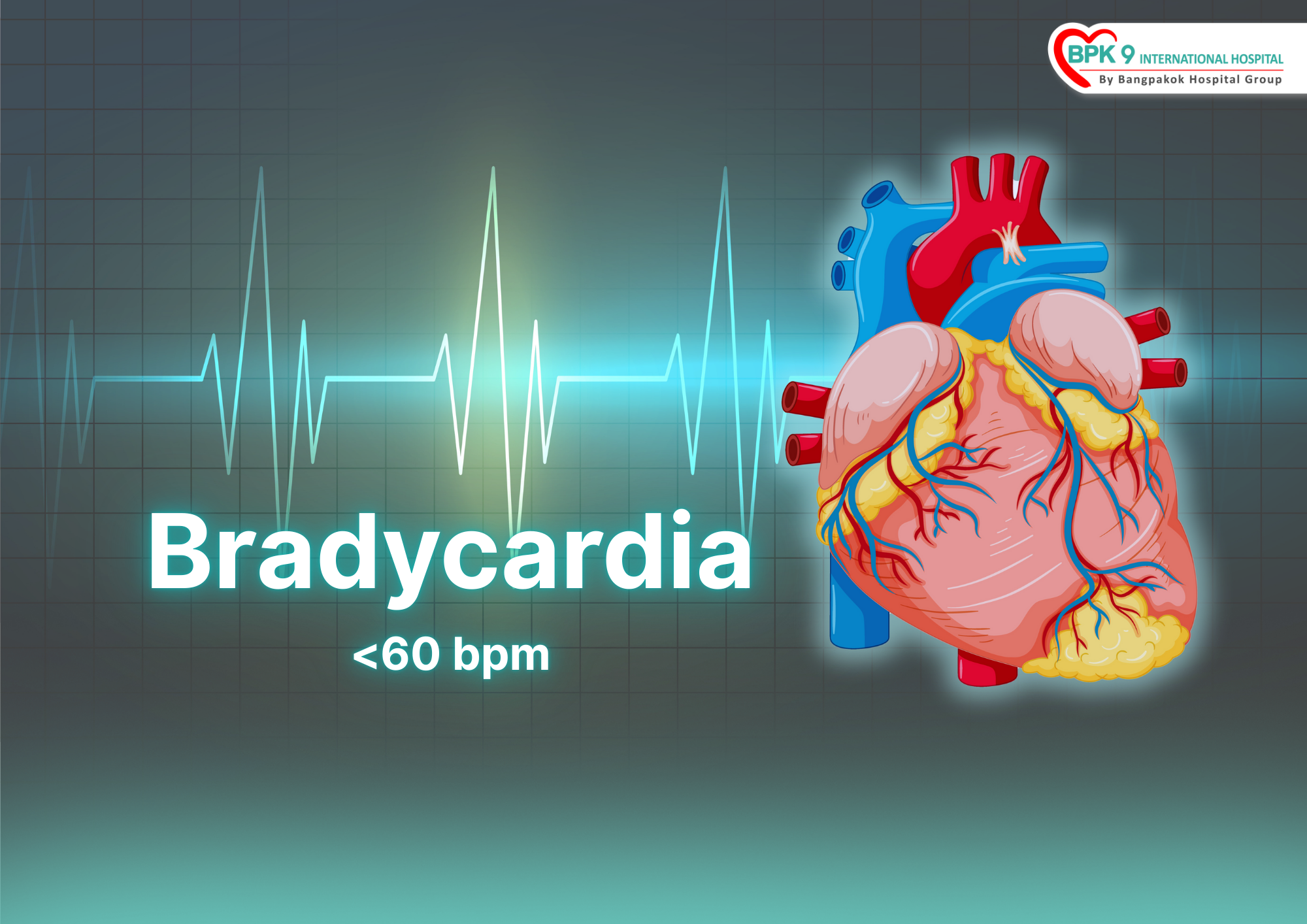
Bradycardia: Understanding a Slow Heart Rate
Expert Cardiac Care at BPK9 International Hospital
The heart plays a vital role in sustaining life by pumping oxygen-rich blood throughout the body. A normal resting heart rate typically ranges between 60 and 100 beats per minute. When the heart beats slower than this range, the condition is known as Bradycardia.
While bradycardia can be harmless in some individuals, particularly athletes or during sleep, it may also signal an underlying heart rhythm disorder that requires medical attention.
What Is Bradycardia?
Bradycardia is a condition in which the heart’s electrical system causes the heart to beat too slowly. When the heart rate drops excessively, it may not supply enough blood and oxygen to meet the body’s needs, potentially affecting vital organs such as the brain and muscles.
Not all cases of bradycardia are dangerous; however, symptomatic or persistent bradycardia should be evaluated by a cardiologist.
Common Causes of Bradycardia
Bradycardia can occur due to a variety of factors, including:
- Age-related changes in the heart’s electrical conduction system
- Coronary artery disease or previous heart attack
- Congenital heart rhythm disorders
- Side effects of certain medications, including beta-blockers and calcium channel blockers
- Metabolic conditions such as hypothyroidism
- Electrolyte imbalances or systemic illnesses
Identifying the underlying cause is essential for effective and safe treatment.
Symptoms of Bradycardia
When bradycardia interferes with normal blood circulation, patients may experience:
- Fatigue or persistent weakness
- Dizziness or lightheadedness
- Shortness of breath, especially during physical activity
- Chest discomfort
- Confusion or difficulty concentrating
- Fainting or near-fainting episodes
If left untreated, severe bradycardia may increase the risk of complications such as falls, heart failure, or sudden cardiac events.
Diagnosis at BPK9 International Hospital
At BPK9 International Hospital, our experienced cardiology team utilizes advanced diagnostic technologies to accurately assess heart rhythm disorders. Diagnostic evaluations may include:
- Electrocardiogram (ECG)
- Holter and event monitoring
- Echocardiography
- Exercise stress testing
- Comprehensive blood and metabolic analysis
These tools allow our specialists to determine the exact cause, severity, and best course of treatment for each patient.
Treatment Options for Bradycardia
Treatment for bradycardia is personalized and depends on the patient’s symptoms and underlying condition. At BPK9 International Hospital, treatment options may include:
- Review and adjustment of medications affecting heart rate
- Management of underlying medical or metabolic conditions
- Lifestyle guidance and cardiovascular risk reduction
- Pacemaker implantation for patients with symptomatic or advanced conduction disorders
Pacemakers are safe, effective devices that help regulate heart rhythm and significantly improve quality of life for eligible patients.
Why Choose BPK9 International Hospital?
At BPK9 International Hospital, we are committed to providing world-class cardiac care through:
- Highly experienced cardiologists and cardiac specialists
- State-of-the-art diagnostic and treatment facilities
- Evidence-based, patient-centered treatment plans
- Compassionate care with international standards of excellence
Your heart health is our priority because every heartbeat matters.
Heart of Care Essential Care for You
