Glaucoma
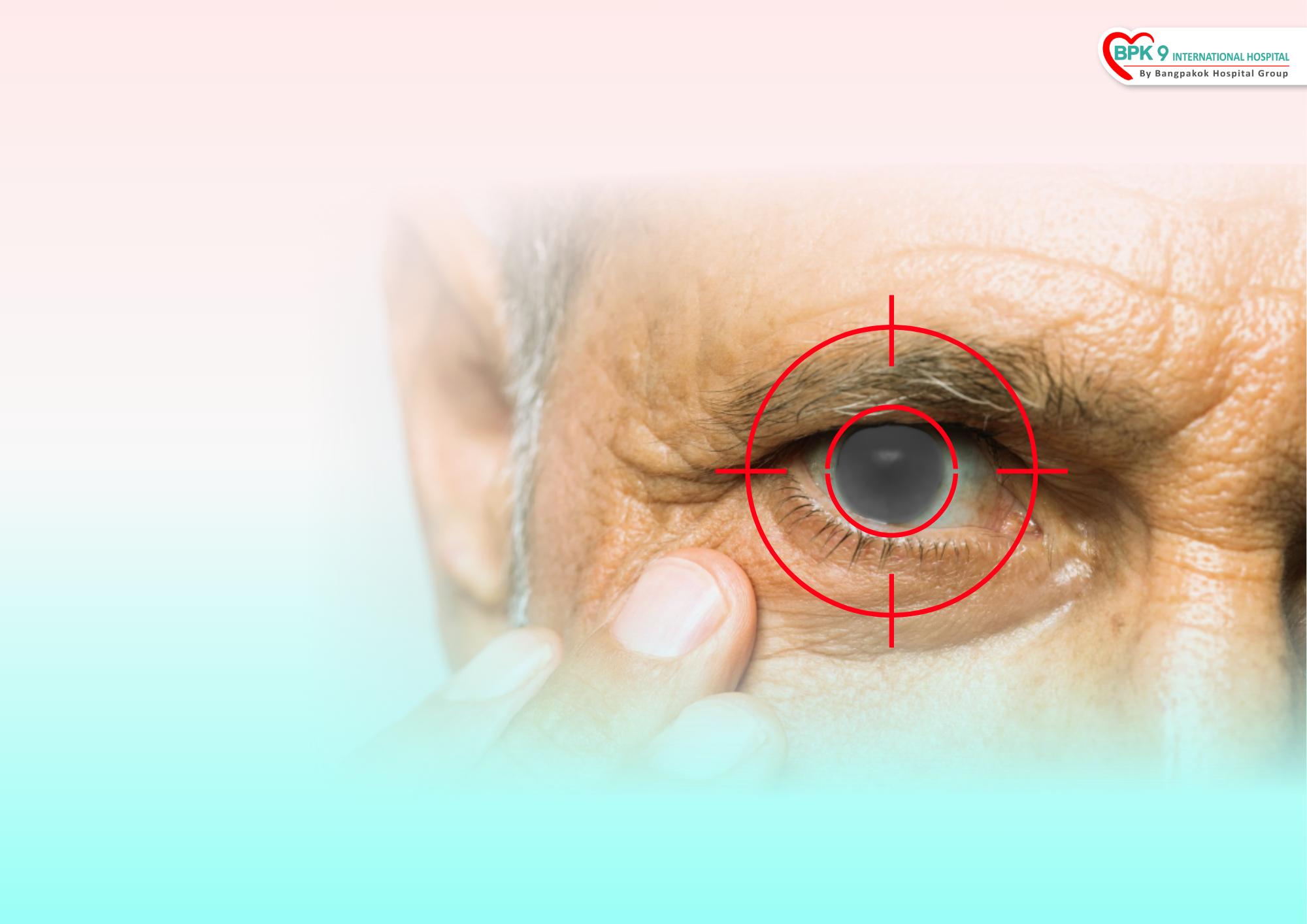 Glaucoma is a group of eye diseases characterized by progressive damage to the optic nerve. It is one of the leading causes of irreversible blindness worldwide and ranks as the second most common cause of blindness after cataracts.
Early detection and timely treatment are crucial in preventing vision loss caused by glaucoma.
Causes and Risk Factors
Several factors may increase the risk of developing glaucoma, including:
- A family history of glaucoma
- Age over 40 years
- A history of severe eye, facial, or head injury
- Long-term use of steroid medications
- Underlying health conditions such as diabetes, hypertension, and cardiovascular diseases
- Severe nearsightedness or farsightedness
Individuals with these risk factors should undergo regular eye examinations for early detection.
Types of Glaucoma
- Primary Glaucoma
Primary glaucoma can be classified into two main types:
Angle-Closure Glaucoma
This type occurs when the drainage angle of the eye becomes narrow or blocked, preventing fluid from draining properly and causing a rapid increase in eye pressure.
Common symptoms may include:
- Severe eye pain
- Redness of the eye
- Blurred vision
- Nausea and vomiting
- Seeing rainbow-colored halos around lights
This condition requires urgent medical attention.
Open-Angle Glaucoma
This is the most common type of glaucoma. The disease progresses slowly and often without noticeable symptoms in the early stages. Many patients are unaware they have glaucoma until peripheral vision begins to deteriorate, eventually leading to blurred vision.
- Secondary Glaucoma
Secondary glaucoma occurs as a result of other eye conditions or external factors, such as:
- Diabetic retinopathy
- Advanced cataracts
- Inflammation inside the eye
- Eye tumors
- Eye injuries
- Complications after eye surgery
- Long-term use of certain medications, particularly steroids
- Congenital and Pediatric Glaucoma
Congenital glaucoma occurs due to abnormal development of the eye during pregnancy, resulting in improper drainage of fluid within the eye. It may occur alone or together with other physical abnormalities.
Common symptoms in infants and young children include:
- Sensitivity to light
- Excessive tearing
- Frequent eyelid spasms
- Enlarged or cloudy cornea
- Noticeably larger-than-normal eyes
Parents who notice these signs should seek prompt evaluation by an ophthalmologist.
Diagnosis by an Ophthalmologist
Glaucoma is diagnosed through a comprehensive eye examination performed by an ophthalmologist. Diagnostic tests may include:
- Intraocular Pressure Measurement (IOP): to measure pressure inside the eye
- Central Corneal Thickness Measurement
- Gonioscopy: to evaluate the eye’s drainage angle
- Visual Field Test: to assess peripheral vision and optic nerve function
- Optical Coherence Tomography (OCT): imaging used to measure the thickness of the optic nerve fibers after pupil dilation
These tests help detect glaucoma early and monitor disease progression.
Treatment Options
The primary goal of glaucoma treatment is to slow the progression of optic nerve damage and preserve vision, allowing patients to maintain a good quality of life. Treatment depends on the type and severity of the disease and may include:
- Medications
- Eye drops
- Oral medications
These treatments help reduce intraocular pressure.
- Laser Treatment
Laser procedures may be recommended in certain cases, including:
- Laser Peripheral Iridotomy (LPI)
- Laser Iridoplasty
- Laser Trabeculoplasty
- Laser Cyclophotocoagulation
- Surgical Treatment
Surgery may be considered when medications or laser treatment are not sufficient to control eye pressure. However, in some cases such as congenital glaucoma or certain forms of secondary glaucoma surgery may be the first line of treatment.
The standard surgical procedure for glaucoma is Filtering Surgery, which creates a new drainage pathway for fluid inside the eye. This helps lower intraocular pressure by allowing fluid to drain into the space beneath the conjunctiva.
Surgery is typically recommended for patients whose eye pressure cannot be effectively controlled with medications or laser therapy. The ophthalmologist will determine the most appropriate treatment plan based on each patient’s individual condition.
Medical Information Supported by:
Dr. Punyasiri Jindakool
Ophthalmologist – Glaucoma Specialist
Specialized Eye Center, 2nd Floor, BPK9 International Hospital
Heart of Care Essential Care for You
Packages Learn More...